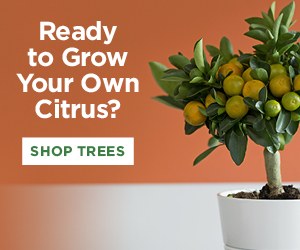

The first orange you pick from your own tree can be a surprise.
Maybe it’s sweeter than you expected. Maybe it has more tang. Perhaps the peel releases an intense burst of fragrance the moment you scratch it with your thumb.
Or maybe you take that first bite and think, This doesn’t taste quite like the oranges I usually buy.
That’s entirely possible.
A homegrown orange can taste different from a grocery store orange for many reasons. The variety may be different. The fruit may have ripened on the tree longer. Your local weather may have influenced the balance between sweetness and acidity. And, of course, there’s another factor that can’t be measured quite as easily: you watched the fruit grow.
From the first blossom to the day you finally pick it, homegrown fruit comes with a story.
The Variety Changes Everything
Not all oranges taste alike.
A Navel orange has a different character from a Valencia. Blood oranges bring their own balance of sweetness and acidity, while mandarins and tangelos can taste entirely different again.
That may sound obvious, but it’s one reason comparisons between homegrown and store-bought fruit can be misleading.
Your Tree May Grow a Different Variety
The orange you remember buying at the grocery store may not be the same variety growing in your backyard or container.
Commercial growers select varieties for many reasons. Flavor matters, but so do harvest timing, appearance, productivity, storage, and how well fruit handles transportation.
A home gardener has more freedom.
You can choose a tree because you enjoy its particular flavor. You don’t need every fruit to look identical, fit into a shipping box, or travel hundreds of miles.
That gives home gardens room for variety.
Fruit Tastes Different When It Ripens on the Tree
Timing has a major influence on flavor.
As citrus fruit develops, its balance of sugars and acids changes. A piece of fruit picked too early may taste sharper or less developed than fruit allowed to mature longer under suitable conditions.
Home gardeners have one advantage: they can observe the tree.
You aren’t harvesting an entire grove on one schedule. You can watch the fruit over time and learn when it reaches the flavor you enjoy.
Color Doesn’t Tell the Whole Story
Many beginners assume a fully orange peel means the fruit is ready to eat.
Citrus can be more complicated than that.
Temperature influences peel color, which means fruit can sometimes be mature even when the outside remains partly green. In warm climates, oranges may not develop the deep orange color people associate with supermarket fruit even when the fruit inside is ready.
The best way to learn is often wonderfully simple.
Taste one.
If it isn’t ready, give the remaining fruit more time.
That is one of the quiet pleasures of growing citrus at home. The tree can become your guide.
Sunlight Helps Build Flavor
Citrus trees turn sunlight into energy.
Their leaves capture light and use it to support growth, flowering, and fruit development. Over time, that energy contributes to the sugars developing inside the fruit.
Your Location Leaves Its Mark
An orange tree growing in Florida doesn’t experience the same conditions as one growing in Southern California.
Florida often brings humidity, summer rainfall, and mild winters. Southern California can offer a drier climate with different temperature patterns. Arizona gardeners may deal with intense sunshine and extremely dry air.
Even within the same state, local conditions can change dramatically.
A tree near the coast may experience cooler temperatures than one growing farther inland. A backyard surrounded by buildings may receive less direct sunlight than an open garden.
That means the same variety can taste different from one place to another.
In a way, every homegrown orange carries a small record of the season that produced it.
Water Can Change the Growing Experience
Water is essential, but more isn’t always better.
A citrus tree needs consistent moisture to support healthy roots and developing fruit. Long periods of drought can stress the tree, while constantly saturated soil can interfere with root health.
Containers Require Extra Attention
For people growing oranges in pots, watering becomes even more personal.
The roots cannot travel farther in search of moisture. Everything depends on the container.
During a hot Texas summer or a dry week in inland California, a sunny pot may dry quickly. During a cool, cloudy period, that same container may remain moist for several days.
This is why a strict watering schedule doesn’t always work.
Instead, check the growing medium and respond to what the tree needs.
A well-watered tree is better able to maintain steady growth and support developing fruit.
Soil Influences the Tree From Below
It is easy to focus on the orange itself, but flavor begins much earlier.
Healthy roots need a growing environment with enough air, moisture, and nutrients. Soil structure influences how water moves around the roots and how easily the tree can access nutrients.
Feeding the Soil Supports the Tree
Healthy soil isn’t simply a storage place for fertilizer.
Organic matter, beneficial microorganisms, and proper drainage all contribute to a stronger root environment. For trees growing in the ground, compost and mulch can gradually improve soil conditions over time.
For container-grown trees, the challenge is different. The limited volume of potting mix eventually needs attention because repeated watering can wash nutrients away and the growing medium can break down.
The goal isn’t to force the fastest possible growth.
A tree that grows steadily in suitable conditions is better prepared for the long process of producing fruit.
Grocery Store Oranges Have a Different Journey
By the time an orange reaches a grocery store, it may have traveled through several stages.
It was grown, harvested, sorted, packed, transported, displayed, and eventually brought home.
Commercial growers and distributors work hard to make fruit available to consumers in good condition. But homegrown fruit follows a different path.
It may travel only a few steps—from your tree to your kitchen.
Appearance Isn’t the Same as Flavor
Supermarket fruit is often expected to look consistent.
Customers tend to notice bruises, unusual shapes, or differences in peel color. Commercial systems must account for those expectations.
Your backyard tree has no such obligation.
A slightly uneven orange can still be juicy. A fruit with a small cosmetic mark may taste perfectly good. Some of the most memorable pieces of fruit are not particularly photogenic.
Home growing offers the freedom to care more about the experience of eating the fruit than whether every orange looks identical.
The Season Can Make Each Harvest Different
One year may produce sweeter oranges.
The next may bring more acidity.
That’s part of growing fruit.
Weather Changes From Year to Year
A particularly hot summer, a cool winter, unusually heavy rainfall, or a dry stretch can all influence the tree’s growing season.
This means you may never grow the exact same orange twice.
The variety remains the same, but the conditions surrounding it change.
For gardeners, this is an invitation to pay attention.
Keep notes if you enjoy that sort of thing. Record when the tree flowered, when the fruit began developing, and when you harvested. Over time, you may notice patterns connected to your local climate.
Your tree can teach you more than any generic growing calendar.
Why the First Homegrown Orange Feels Different
There is also a reason that has nothing to do with chemistry.
You were involved.
You noticed the first leaves after winter. You moved the container when temperatures dropped. You watered during a dry spell. You worried when a few leaves turned yellow.
Then one day, the orange was ready.
That experience changes the way food tastes.
Growing fruit reconnects us with the fact that a harvest is not an instant event. It is the result of months—and sometimes years—of care.
The orange becomes more than something you picked up at the store.
It becomes something you waited for.
Don’t Be Surprised if It Isn’t Exactly What You Expected
A homegrown orange may be sweeter than a grocery store orange.
It may also be more tart.
Its flavor may be stronger, more floral, or simply different from what you’re used to.
That doesn’t automatically mean something went wrong.
Learn What Your Variety Should Taste Like
If you’re unsure whether your orange is developing normally, start by identifying the variety.
Learn its typical harvest season and flavor profile. Then compare that information with your local growing conditions.
An orange harvested too early may need more time. A tree receiving too little sunlight may need a better location. But sometimes the answer is simply that your variety was never supposed to taste like the orange you usually buy.
And that can be a good thing.
The Best Orange Is Often the One You Learn From
Home growing teaches you to pay closer attention to flavor.
You begin noticing sweetness and acidity. You compare fruit from different parts of the tree. You discover that an orange picked in one month may taste slightly different from one picked later in the season.
That curiosity is part of the reward.
While your own orange tree takes its time to grow, flower, and produce fruit, you can still enjoy the character of seasonal citrus. Hale Groves offers Florida citrus during its natural harvest season—a useful reminder that great flavor often begins with allowing fruit to follow its own timetable.
Your Tree, Your Climate, Your Harvest
So why does your homegrown orange taste different from the grocery store’s?
The answer is rarely just one thing.
The variety matters. Sunlight matters. Water, soil, temperature, and seasonal weather all leave their mark. Harvest timing can change the experience too.
But perhaps the biggest difference is that your orange belongs to a specific place.
Your patio.
Your backyard.
Your local weather.
Your season.
That is what makes homegrown fruit interesting. You aren’t trying to reproduce a supermarket experience.
You’re discovering what a particular tree can create when you give it time, care, and a place to grow.
And sometimes, that first unexpected bite is the beginning of a much better understanding of what an orange can actually taste like.